The lights flicker once, then go out. Outside, the wind is doing what Ontario wind does in late December. Inside, nothing really changes. You walk to the cupboard where the lantern lives, set it on the kitchen counter, and a warm pool of light fills the room. The kids think it's an adventure. Dinner is already on the stove, so you finish cooking by lantern light, then pull out the headlamps so the hands are free for dishes and bedtime stories. The grid will come back when it comes back. You're not waiting on it.
That quiet version of a power outage isn't luck. It's the result of a handful of small decisions made on a calm afternoon, months before the storm arrived. This article walks through those decisions — what to keep, where to keep it, and how to build a setup that costs very little and turns a household-scale emergency into a pleasant evening with the routers down.
A Real Canadian Storm, the Quiet Version
On the night of December 28, 2025, freezing rain moved across southern Ontario and ice began loading the tree branches. By the next morning, roughly 61,000 Hydro One customers were without power across the province — ice accumulation on trees, branches on lines, the usual chain of small failures that add up. Over the course of that storm, crews restored power to more than 88,000 homes. Most outages lasted a few hours. Some stretched through Monday night in cottage country and rural Eastern Ontario. Environment Canada was tracking freezing rain in Ottawa, heavy snow near Lake Superior (60 centimetres in Timmins), and wind gusts near 90 km/h from the Greater Toronto Area down through southwestern Ontario.
None of that is unusual. Canadian winters produce a few storms like this every year, and the average outage is short enough that most households barely notice. But the edges of the distribution are real too — the line that doesn't come back until mid-morning, the rural road the crew can't reach until the plows go through, the one overnight that happens to overlap with the coldest part of the week. Neither the average nor the outlier is a crisis. Both are easier to wait out when you already know where the flashlight lives.
What a Ready Home Actually Looks Like
The useful setup is smaller than most people think. For a typical Canadian household — two to four people, one floor or two — you need four things, and only four:
- One rechargeable lantern for the main room. Enough light to cook, eat, read, or play a board game by. It lives on a shelf near the kitchen so nobody has to hunt for it.
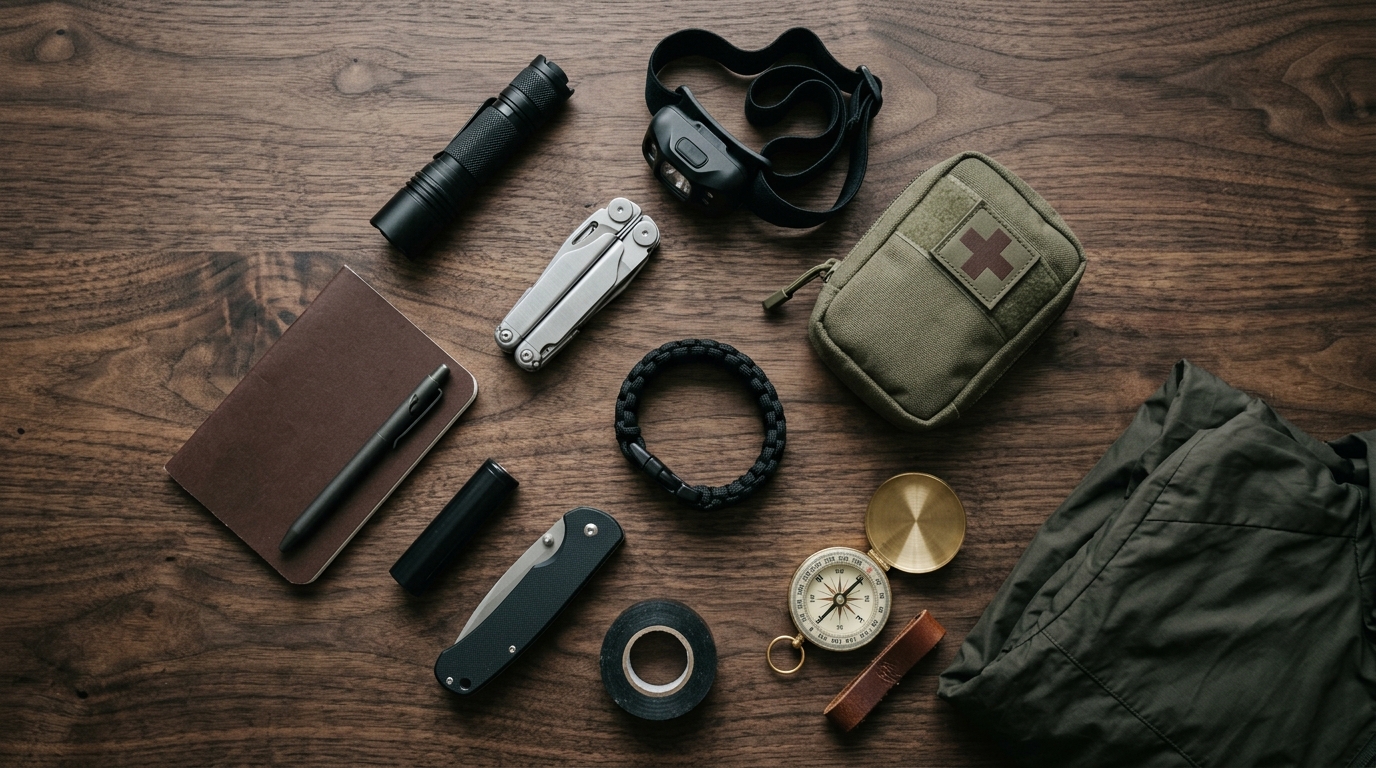
- One headlamp per person. Hands-free light is the difference between a relaxed evening and a fumbling one. Kids like them. Adults stop losing them once they each have their own.
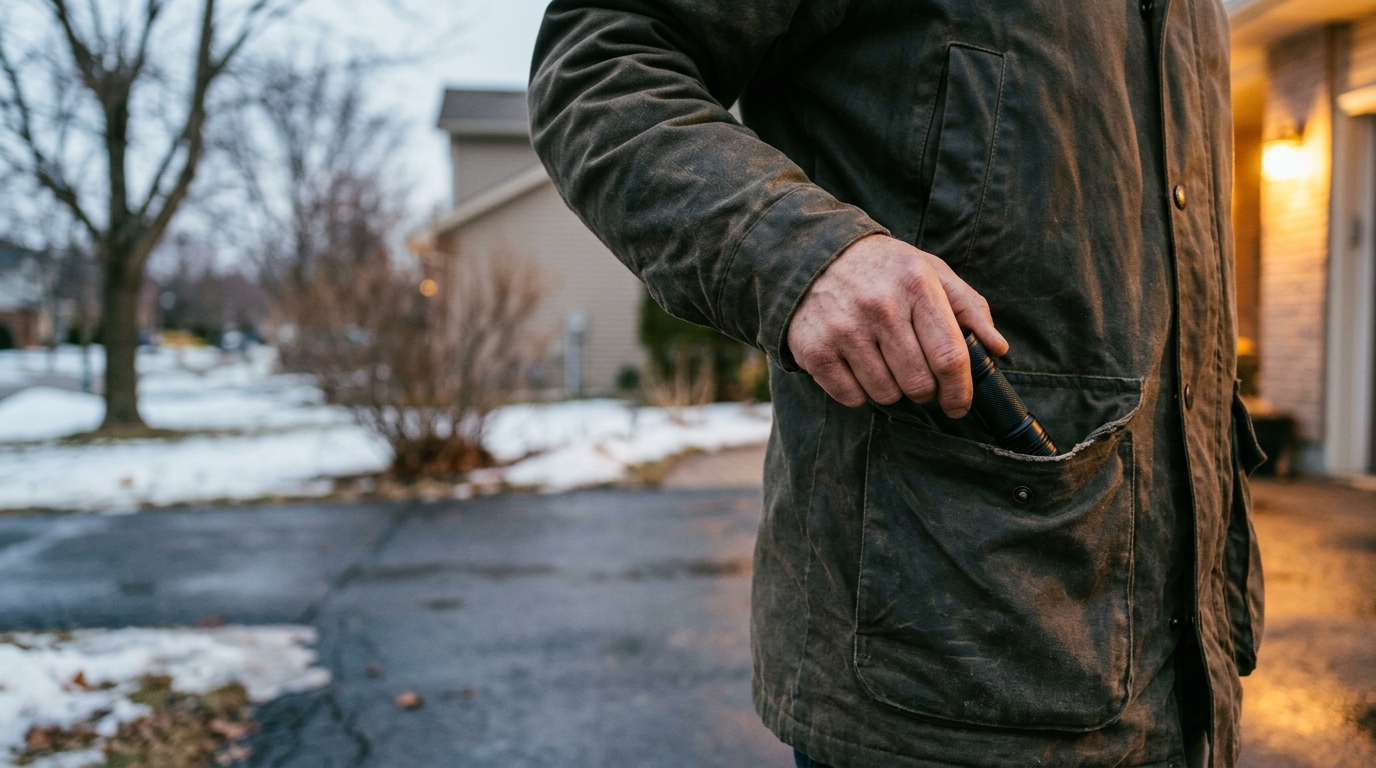
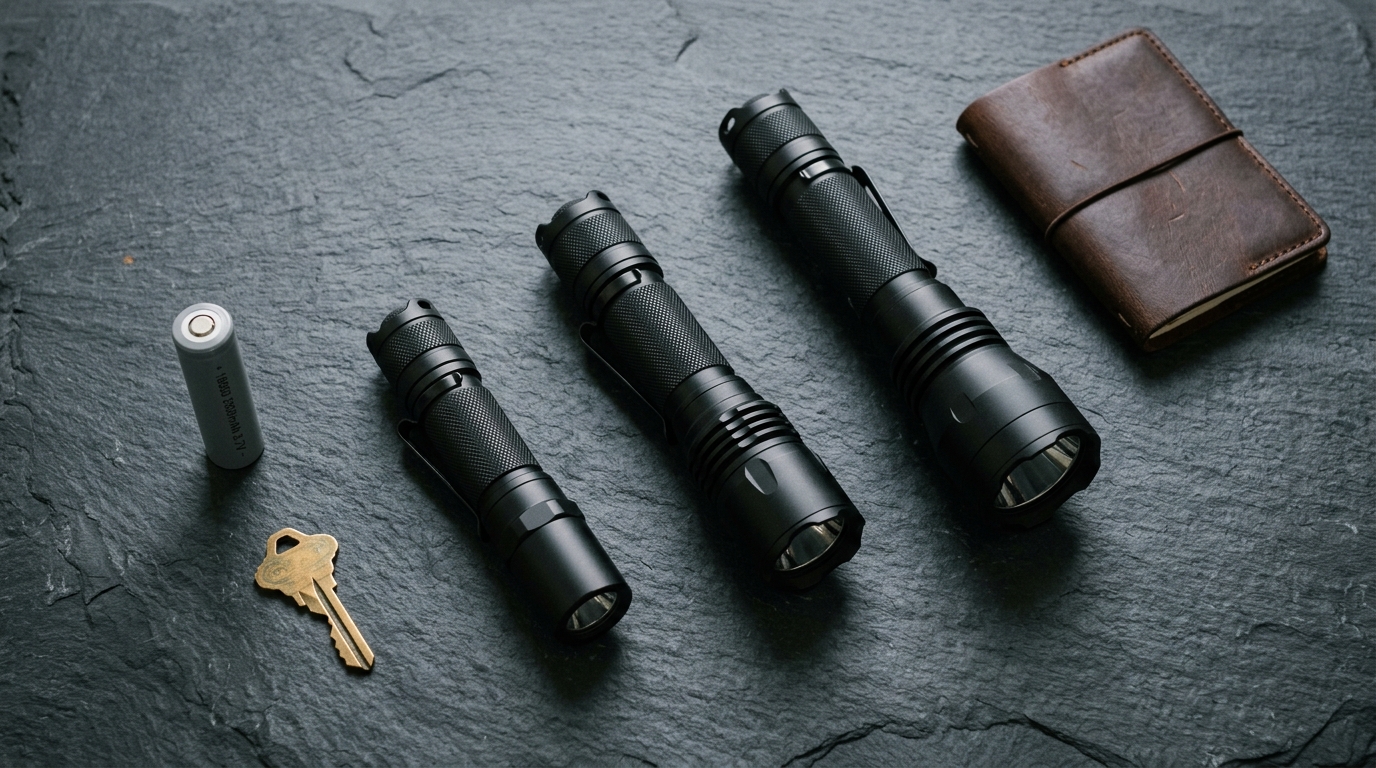
- A rechargeable pocket light at the entry. Walking down to the panel, checking on the car, getting the mail — a small light by the door handles all of it.
- Batteries and a charger you trust. Not a drawer of mystery cells from different decades. A small set of known-good 18650 cells and one USB charger, stored next to the lights.
That's the whole setup. You don't need a generator, a bug-out bag, or a dedicated emergency room. You need four items, stored somewhere you'll remember them in the dark, and a Sunday afternoon to put them in their places.
Quick Picks: A Fenix Setup for a Canadian Home
Every product below is a Fenix — a brand we've carried since we opened our doors — made by the same manufacturer that Canadian outdoor workers, search-and-rescue teams, and utility crews rely on in the field. Each one ships same-day from Mississauga, Ontario, and comes with a 5-year warranty.
| Role in the Home | Our Pick | Why This One |
|---|---|---|
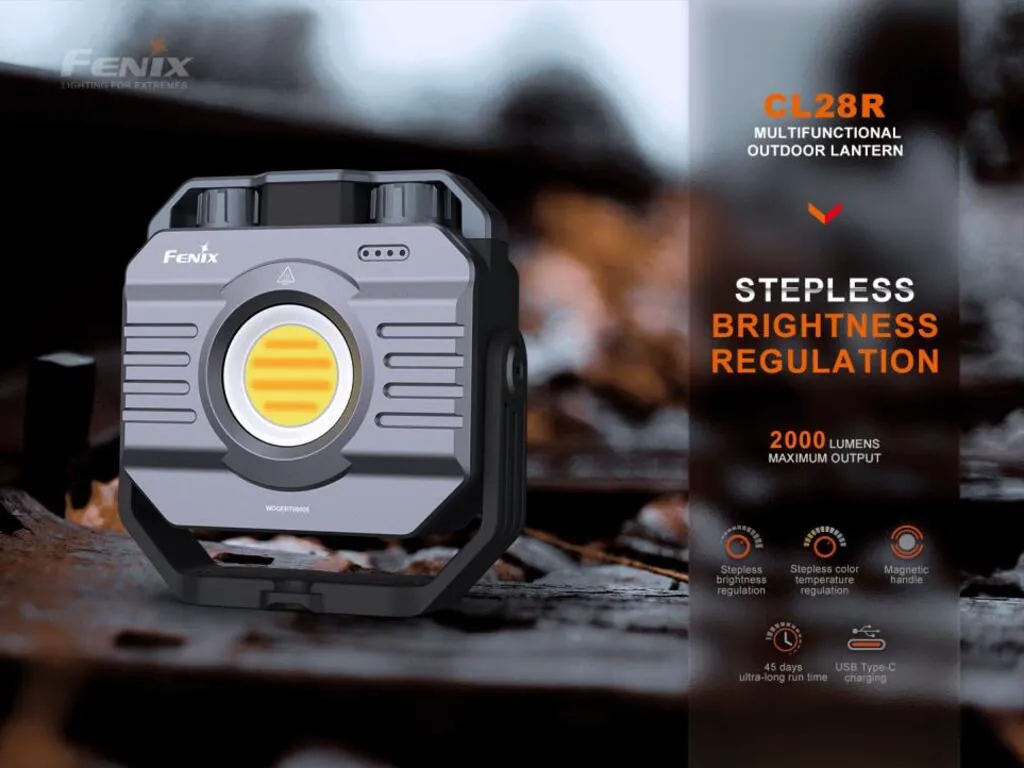
| Main-room lantern | Fenix CL28R | 2,000-lumen rechargeable lantern with dimming and a warm-white setting — enough to light a kitchen and a dining table without being harsh to eat under. |
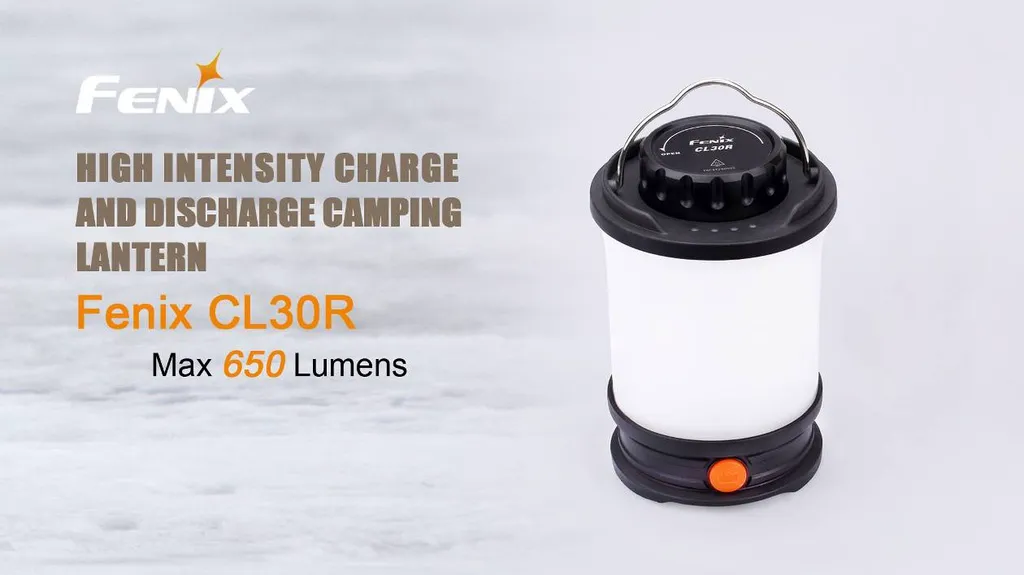
| Quieter, longer-running lantern | Fenix CL30R | 650 lumens with a very long low-mode runtime. A good choice for households that want one lantern running all evening instead of a short bright burst. |
| Headlamp — one per person | Fenix HM60R V2.0 | 1,600 lumens with both flood and spot beams and a balanced weight that stays comfortable for hours. The answer to "which headlamp should I get" for most Canadian households — pick one per family member and call it done. |
| Pocket light at the entry | Fenix PD35 V3.0 | 1,700 lumens in a slim, all-metal body that's been a Canadian EDC favourite for years. Lives in a small dish on the entry table so it's always where you put it down — the one you grab for the walk down to the panel or the trip out to the car. |
| Small everyday companion | Fenix E06R Pro | A compact, rechargeable pocket light for the evenings when you don't want to grab the full-sized one — the dog walk, the hallway, the basement check. Sits in a drawer near the door and gets used more than you'd expect. |
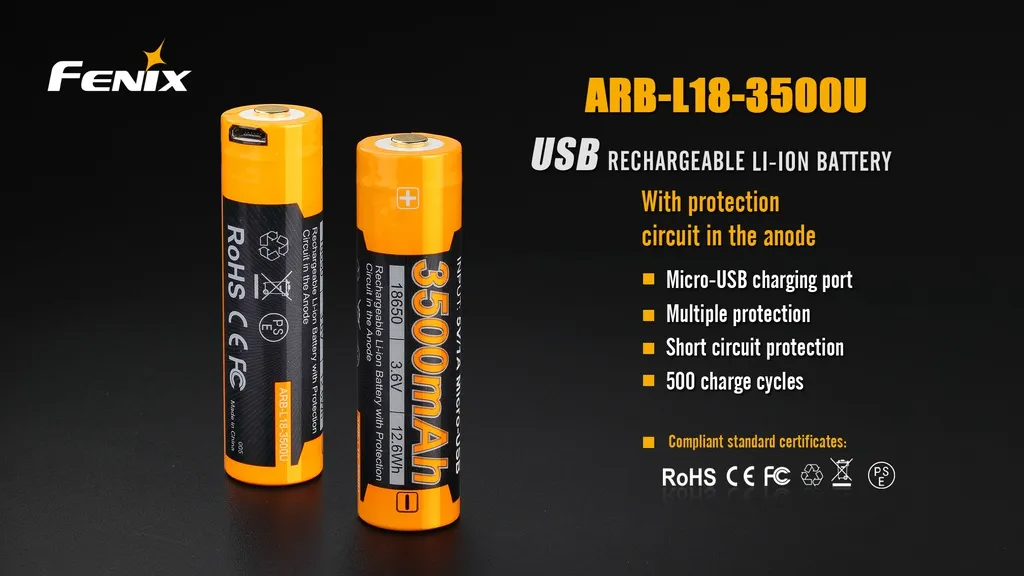
| Spare batteries | Fenix ARB-L18-3500U | Protected 18650 rechargeable cell — the battery most Fenix flashlights and headlamps run on. Keep two or three in a known spot, charged at the start of each winter. |
Five Minutes This Weekend
If you have the four items already, spend five minutes this weekend putting them where they belong:
- Lantern on a kitchen shelf, not buried in a camping bin.
- Headlamps in one drawer, one per family member, each with a charged battery.
- Pocket light on the entry table or hanging by the front door.
- Spare 18650 cells and the charger in the same drawer as the headlamps, so the whole kit is one stop.
Then top everything up. Most of the Fenix lights on the list above charge over a standard USB cable — the same one you already use for a phone or a pair of headphones. Once it's done, you won't think about it again until the day you need it — and on that day, you won't think about it for very long either. You'll walk to the shelf, pick up the lantern, and start cooking dinner.
That's what ready is. Not anxious, not over-prepared, not waiting for something bad to happen. Just a small, quiet setup that stays out of the way until the evening it matters — and then makes that evening feel almost ordinary.